
Coombe Hill Infant School
Geography
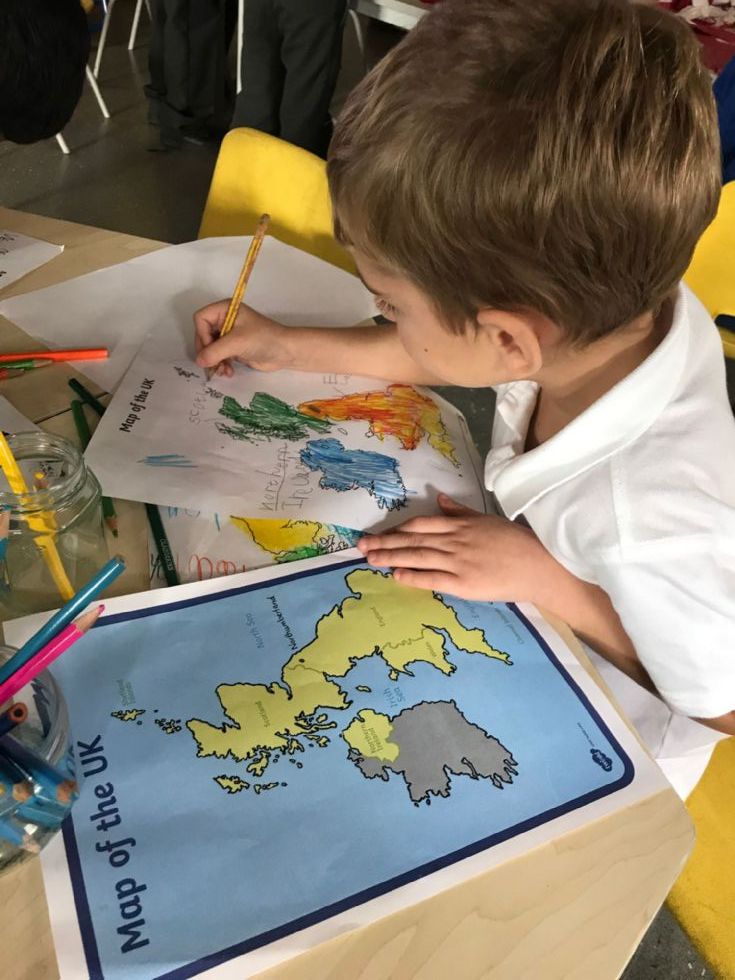
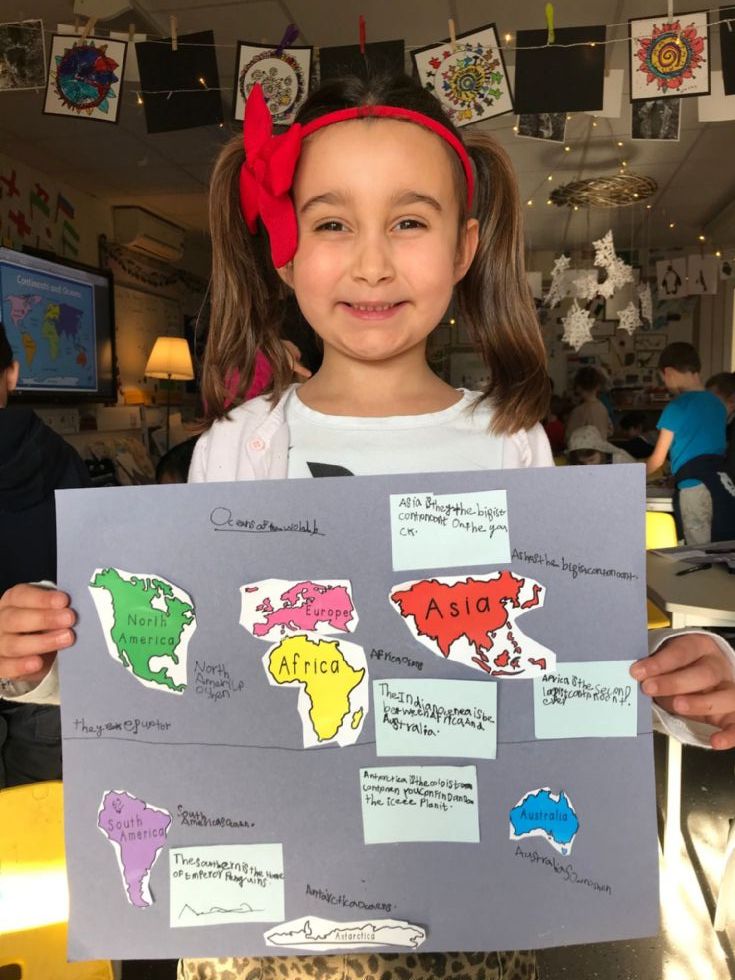
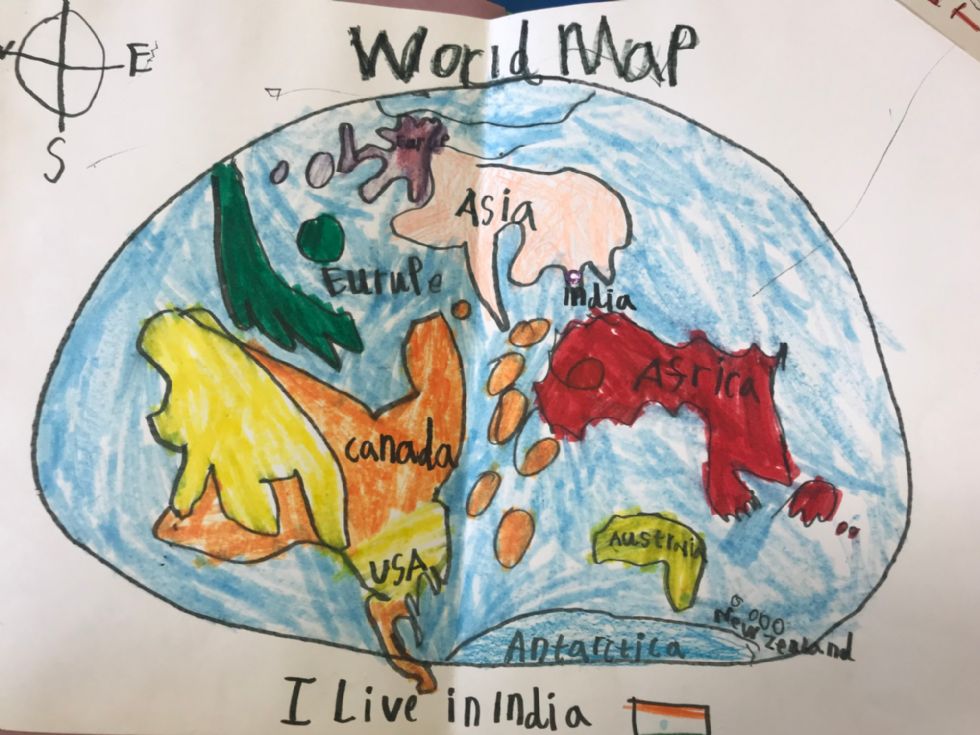
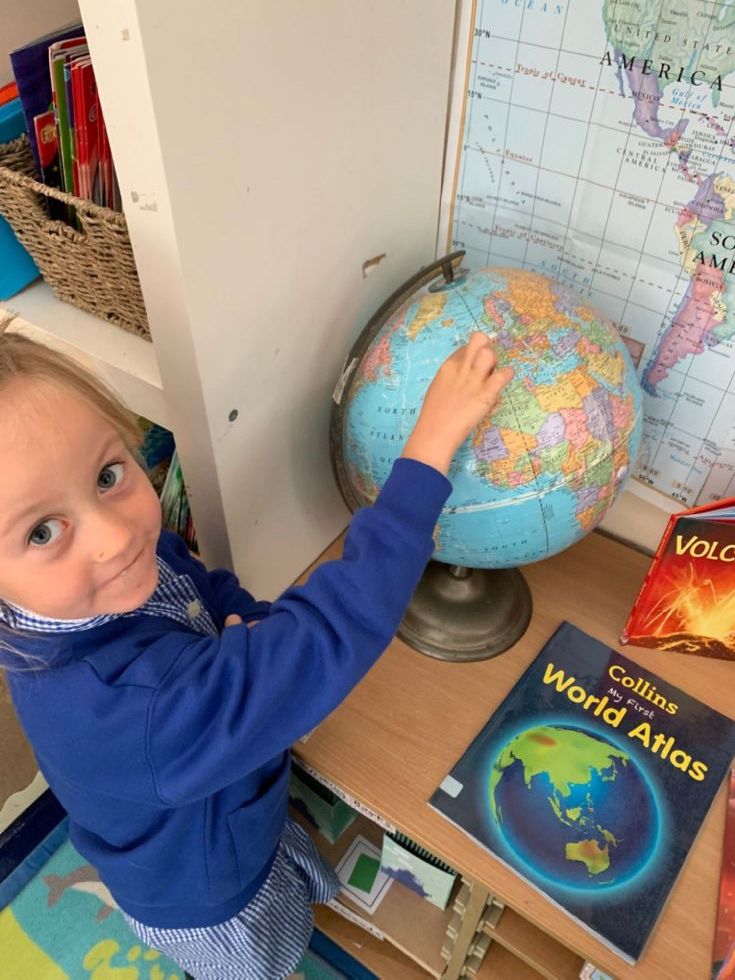
Geography Vision: Learn together what it is to be a geographer, grow together in our knowledge of the world and our understanding of the human and physical processes occurring.
1 Curriculum Intent
At Coombe Hill Infant School, we aim to deliver a high-quality geography education that inspires pupils to:
- develop fascination and curiosity about the world and its people that will remain with them for the rest of their lives;
- to help children to develop an informed concern about the quality of the environment;
- to thereby enhance children’s sense of responsibilities for the care of the earth and its people and how to manage the environment in a sustainable way;
- to understand some of the relationships between people and environments, specifically regarding our impact on global climate change;
Our teaching staff agree that we are aiming for the same endpoint - that children learn the skills required to be a geographer, starting with the local familiar environment and building outwards to London, the UK, Europe and the wider world. We engage our children by learning about the physical and human features of the countries they have connections with. Geography is taught as a discrete subject and the children are encouraged to make links between their learning in all of the other curriculum areas.
2 Curriculum Implementation
All staff have a clear and ambitious vision for providing high quality teaching of geography. Our curriculum is designed to:
- ensure a rigorous, sequential approach to teaching geography in order for the children to begin to acquire the skills of a geographer;
- to develop understanding of what it means to live in diverse and specific places around the world, enabling the child to be “the expert” about the country they have connections with;
- encourage the use and application of their locational knowledge through daily routines around weather and temperature around the world;
- expect that the teacher’s own speaking, listening, writing and reading of English, supports children in developing their language and vocabulary;
- to improve memory recall through immersion and regular re-visiting and quizzing of key facts;
- to develop the ability to communicate geographical knowledge in a variety of forms;
- to encourage home projects and the sharing of knowledge within our community;
- to develop geographical skills of:
- Basic fieldwork
- Using appropriate geographical vocabulary
- Using atlases and globes, maps and plans
- Using secondary sources of information, including aerial/satellite photographs
- Drawing plans and maps
- Using ICT to help in geographical investigations
Our International month allows us to celebrate the cultural diversity of our school (60% EAL, 14 out of possible 17 ethnic descriptors) as we learn about each other's families, where they come from, traditional costumes and different food from around the world.
3 Key Teaching and Learning Principles
3.1 Geography teaching focuses on enabling children to think as geographers. We place an emphasis on exploring a range of geographical regions, and giving children the opportunity to be the expert about a place of significance to them. We encourage visitors to come into the school and talk about their home country, comparing human and physical features with those of the UK. We recognise and value the importance of stories in Geography teaching, and we regard this as an important way of stimulating interest in places. We focus on helping children understand that geographical processes are occurring all the time and all around them, and that they should always ask searching questions (e.g. ‘Why is it so?’).
3.2 We achieve this through a variety of teaching approaches, including:
- setting tasks which are open-ended and can have a variety of responses;
- setting tasks and providing opportunities which ensure a progression of skills;
- immersing children in topics using maps, images and storytelling;
- encouraging individual and group research at school and home through projects;
- being curious and taking notice when abroad and reporting back in class;
- making use of our school grounds, for map work and orienteering;
- welcoming guest speakers from the school community to ‘show and tell’;
- thinking about our children and where in the world their families have lived/worked;
- short 5-10 minute sessions which allow children to learn about a range of places & processes and to ask and answer key geographical questions such as what is life like for people there;
- avoiding common misconceptions by being precise in our use and explanation of vocabulary when we introduce new topics;
- work that is cross-curricular, practical and rooted in the child’s own experience.
3.3 We provide opportunities for pupils to develop the key skills of:
- Communication, through reading and responding to a range of sources of information, when planning and carrying out geographical enquiries, through taking part in discussions, and presenting findings in a variety of ways.
- Co-operation, through planning and carrying out geographical enquiries that are classroom based or take place on a visit to a site.
- Improving their own learning and performance, through reviewing their work at regular intervals, setting targets for improvement and assessing their achievement.
- Problem-solving, through finding out about a location by investigating a specific question, deciding what information they need to know, identifying relevant sources of information and discussing their conclusions.
- Thinking skills, through work on processing and understanding information, describing and explaining processes, and carrying out investigations of different places.
4 Geography curriculum planning
4.1 We use the National Curriculum and Development Matters documentation as the basis for our planning in Geography, but we have adapted this to our local context. We ensure that there are opportunities for children of all abilities to develop their skills and knowledge, using the skills progression, so that the children are increasingly challenged as they move through the school.
4.2 Our long-term year group plans map the Geography content studied in each term during each year; this is devised in conjunction with the History subject leader and year group leaders to ensure that the humanities complement each other and the rest of the curriculum throughout the year.
4.3 Specific learning objectives and expected outcomes for each lesson are set out in weekly planning for each year group.
5 Cross-curricular opportunities
Staff are encouraged to develop cross-curricular links with Geography and other subjects to provide a relevant and meaningful curriculum for pupils.
5.1 English
Geography contributes significantly to the teaching of English in our school by actively promoting the skills of reading, writing, speaking and listening. Children develop oracy through discussing geographical questions, or presenting their findings to the rest of the class. They develop their writing ability by composing reports and letters, and through using writing frames.
5.2 Mathematics
The teaching of Geography contributes to children’s mathematical understanding in a variety of ways. Children learn to use numbers when identifying the climate and weather patterns of different locations. Children also learn to interpret information presented in graphical or diagrammatic form.
5.3 Science
Links are made between geographical events, processes and features, and with the appropriate areas of the science curriculum. For example, linking Materials with Climate Change, and Minibeasts with Habitats.
5.4 Computing
Wherever appropriate we use computing to enhance our teaching of Geography. The children use ICT in a variety of ways, such as viewing videos and pictures, researching information on the Internet and presenting information through Powerpoint.
Oracy in all subjects
Our curriculum design allows for as many speaking opportunities as possible as our teachers understand that speaking and listening are at the heart of language. Not only are they the foundations for reading and writing, they are also essential skills for thinking and communication. Our teachers are role models for good spoken English, using ambitious vocabulary and correct grammar. Children are encouraged to read aloud, discuss ideas with their peers and teachers, engage with and learn new vocabulary to extend their spoken and receptive vocabulary.
6 Assessment for/of learning
The knowledge, skills and understanding in the Skills Progression document identify the aspects of Geography in which pupils make progress:
- Locational knowledge
- Place understanding
- Human & Physical processes and vocabulary
- Geographical skills and fieldwork
6.1 Children demonstrate their ability in Geography in a variety of different ways. Teachers will assess children’s work by making informal judgments during lessons. On completion of a piece of work, the teacher assesses the work and uses this information to plan for future learning. Written or verbal feedback is given to the child to help guide his or her progress. Children are also encouraged to assess their own learning and make judgments about how they can move their learning forward.
6.2 At termly intervals, the teacher makes a summary judgement about the work produced. In order to assist these judgements, teaching staff are provided with a skill assessment sheet which, when completed, indicates the children who have met, have not met or have exceeded age-related expectations for that geographical focus. We use this teacher assessment as a basis for assessing the progress of the child, and we pass this information on to the next teacher at the end of the year.
7 Resources
We seek to continually develop the range of resources for all Geography-teaching topics in the school. This includes:
- Listening to stories
- Looking at pictures/photographs/videos/Google Earth
- Map work – studying maps and making their own maps
- Using written evidence and reference books, including atlases
- Visitors from relevant places of geographical interest & school site studies
- Using ICT – internet, Google and Espresso to research
Fun websites for Home Learning
CBBC: https://www.bbc.co.uk/cbbc/quizzes/top-class-geography-quiz-1
BBC Bitesize: https://www.bbc.co.uk/bitesize/subjects/zcdqxnb
BBC Teach: https://www.bbc.co.uk/teach/ks1-geography/zkdxbdm
The School Run: https://www.theschoolrun.com/other-subjects/geography
Quizzes galore: https://www.educationquizzes.com/ks1/geography/
Sign up to Unicef's Paddington's Postcards and receive a personalised postcard each month and an exciting pack exploring a different country with stickers and activities. All proceeds go to Unicef.
8 Pupils with Special Needs
To ensure all children are fully included they will receive extra support for Geography work from Learning Support Assistants working within the classroom, and where necessary work will be adapted and differentiated to make sure all children can fully access the curriculum. Such pupils include pupils with language/communication difficulties who are given support with reading and writing during Geography lessons. Able pupils will be expected to develop their investigational skills to a higher level and to have a deeper knowledge and understanding of concepts covered in topic work. Able pupils will be encouraged to use a variety of resources to facilitate learning.
9 Monitoring and review
9.1 Role of the subject leader
It is the responsibility of the Geography subject leader:
- to develop, implement and review an action plan for Geography;
- to monitor Geography throughout the school;
- to encourage staff to provide effective learning opportunities for all pupils;
- to develop valid activities appropriate for children at different stages of development, which enable pupils to progress in the subject.
9.2 Monitoring of the standards of children’s work and of the quality of teaching in Geography is the responsibility of the Geography subject leader. The work of the subject leader also involves supporting colleagues in their teaching, being informed about current developments in the subject, and providing a strategic lead and direction for the subject in the school.